

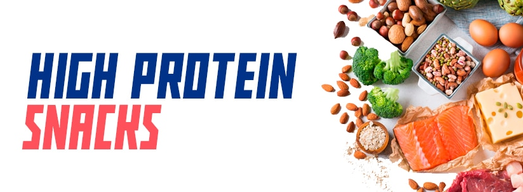
HIGH PROTEIN SNACKS
🥜 The Ultimate Guide to High-Protein Snacks: Boost Energy, Build Muscle, and Crush Cravings
High-protein snacks are essential for maintaining energy, supporting muscle recovery, and managing hunger between meals. Unlike sugary or carb-heavy options, protein-rich snacks provide sustained satiety, stabilize blood sugar, and enhance overall nutrition . This guide explores the best high-protein snacks, their benefits, practical tips for selection, and DIY ideas to help you optimize your diet for health and performance.
🔬 Why High-Protein Snacks Matter
Satiety and Weight Management: Protein triggers hormones that signal fullness, reducing overall calorie intake. Studies show that high-protein snacks decrease hunger and prevent overeating compared to high-carb alternatives .
Muscle Recovery and Growth: Consuming 20–40 grams of protein post-workout maximizes muscle protein synthesis. Even outside workouts, protein supports daily muscle repair .
Stable Energy Levels: Protein digests slowly, preventing blood sugar spikes and crashes. This makes it ideal for sustaining focus and productivity throughout the day .
Metabolic Health: Protein has a higher thermic effect than carbs or fats, meaning your body burns more calories processing it. This can aid in weight loss and metabolic efficiency .
🏆 Top 10 High-Protein Snacks
Based on nutritionist recommendations and scientific benefits, here are the most effective snacks:
Greek Yogurt Parfait
Protein: 15–20g per cup .
Tips: Choose plain yogurt to avoid added sugars. Layer with berries and a sprinkle of nuts for added fiber and healthy fats.
Hard-Boiled Eggs
Protein: 6g per egg .
Tips: Season with everything bagel seasoning or pair with avocado toast for extra flavor and nutrients.
Cottage Cheese with Fruit
Protein: 14g per ½ cup .
Tips: The casein in cottage cheese provides slow-digesting protein, ideal for prolonged satiety.
Jerky (Beef, Turkey, or Salmon)
Protein: 9–12g per ounce .
Tips: Opt for low-sodium, minimally processed brands. Salmon jerky adds omega-3 fatty acids for heart health .
Edamame
Protein: 8g per ½ cup .
Tips: Steam and sprinkle with sea salt for a plant-based, fiber-rich snack.
Tuna Pouches
Protein: 16–22g per pouch .
Tips: Mix with Greek yogurt instead of mayo for extra protein. Pair with whole-grain crackers or veggies.
Roasted Chickpeas
Protein: 5–8g per ½ cup .
Tips: Season with paprika or garlic powder and bake for a crunchy, portable snack.
Nut Butter with Apple Slices
Protein: 7g per 2 tbsp .
Tips: Use natural nut butter without added sugars. Almond butter provides vitamin E and healthy fats.
String Cheese
Protein: 5–7g per stick .
Tips: Pair with whole-grain crackers or fruit for a balanced snack.
Protein Shakes
Protein: 20–25g per serving .
Tips: Blend with spinach, banana, and almond milk for a nutrient-dense smoothie.
📊 Comparison of Snack Protein Density
Snack Protein (g) Calories Protein Density (%)
Greek Yogurt 17 100 68%
Canned Tuna 22 99 88%
Cottage Cheese 14 81 69%
Turkey Jerky 12 62 77%
Edamame 8 100 32%
Protein density = (Protein calories ÷ Total calories) × 100 .
💡 How to Choose the Best Store-Bought Snacks
Check Protein-to-Calorie Ratio: Aim for at least 10g of protein per 200 calories .
Read Ingredients: Prioritize whole foods like nuts, seeds, and lean meats. Avoid products with artificial additives or excessive sugar .
Watch Sodium and Preservatives: Jerky and processed bars often contain high sodium. Compare labels to choose healthier options .
Consider Portability and Shelf Life: For on-the-go snacks, choose shelf-stable options like jerky or bars. Refrigerated bars (e.g., Perfect Bars) stay fresh for up to 7 days outside refrigeration .
🍽️ DIY High-Protein Snack Recipe
No-Bake Protein Energy Bites :
Ingredients:
1 cup rolled oats
½ cup natural peanut butter
⅓ cup vanilla protein powder
⅓ cup honey
2 tbsp chia seeds
¼ cup dark chocolate chips (optional).
Instructions:
Mix all ingredients in a bowl.
Refrigerate for 30 minutes.
Roll into 12 balls.
Store in the fridge for up to a week.
Nutrition: Each bite contains ~6g protein and provides sustained energy.
⚠️ Common Mistakes to Avoid
Overlooking Added Sugars: Flavored yogurts and protein bars often contain hidden sugars. Choose plain versions and add natural sweeteners like fruit .
Ignoring Portion Sizes: Nuts and nut butter are calorie-dense. Stick to recommended servings (e.g., 2 tbsp nut butter or 1 oz nuts) .
Neglecting Whole Foods: Processed protein snacks may lack fiber and micronutrients. Prioritize whole foods like eggs, Greek yogurt, and veggies .
❓ Frequently Asked Questions
Q: How much protein should a snack have?
A: Aim for 10–20g per snack, depending on your needs. Active individuals or those with longer gaps between meals may require more .
Q: Are plant-based proteins as effective as animal-based?
A: Yes, but combine complementary plant proteins (e.g., beans and rice) to ensure all essential amino acids are included .
Q: Can high-protein snacks aid weight loss?
A: Absolutely. Protein promotes fullness, reduces cravings, and increases calorie burning through digestion .
✅ Conclusion: Smart Snacking for Long-Term Health
Incorporating high-protein snacks into your daily routine is a powerful strategy for enhancing energy, supporting fitness goals, and maintaining overall health. By choosing nutrient-dense options like Greek yogurt, jerky, and homemade energy bites, you can avoid processed foods and optimize your nutrition. Remember to balance protein with fiber and healthy fats for sustained benefits. For more ideas, explore trusted brands like Perfect Snacks or try DIY recipes to customize your snacks to your preferences .
💬 Engagement Question: What’s your favorite high-protein snack? Share below!